
The evolution of gambling A historical perspective on games of chance
Ancient Beginnings
The history of gambling dates back thousands of years, with evidence suggesting its origins in ancient civilizations such as China, Egypt, and Rome. The earliest known gambling artifacts, including dice made from animal bones, date back to around 3000 BCE. In these early societies, games of chance often intertwined with rituals and religious ceremonies, reflecting the belief that luck was influenced by divine forces. Additionally, it’s interesting to consider where to find the best online casinos australia and how they trace their roots back through this long history.
As societies evolved, so did their games. The Chinese developed rudimentary lotteries, while the Romans enjoyed a variety of dice games. These early forms of gambling were often communal activities, fostering social interaction and entertainment among participants. The emergence of gambling was not only a source of amusement but also a way for people to engage with chance and fate.
Medieval Developments
The Middle Ages saw the rise of more structured forms of gambling. The invention of playing cards in the 14th century marked a significant advancement, leading to the popularity of card games across Europe. These games evolved into various forms, including poker and blackjack, which would later dominate gambling establishments worldwide.
During this time, gambling also became regulated. Monarchs established laws governing betting, often with the intention of raising taxes. This blend of regulation and popularity paved the way for the establishment of gambling houses, which began to emerge in cities throughout Europe. These establishments set the stage for modern casinos and their complex relationship with both society and government.
The Rise of Casinos
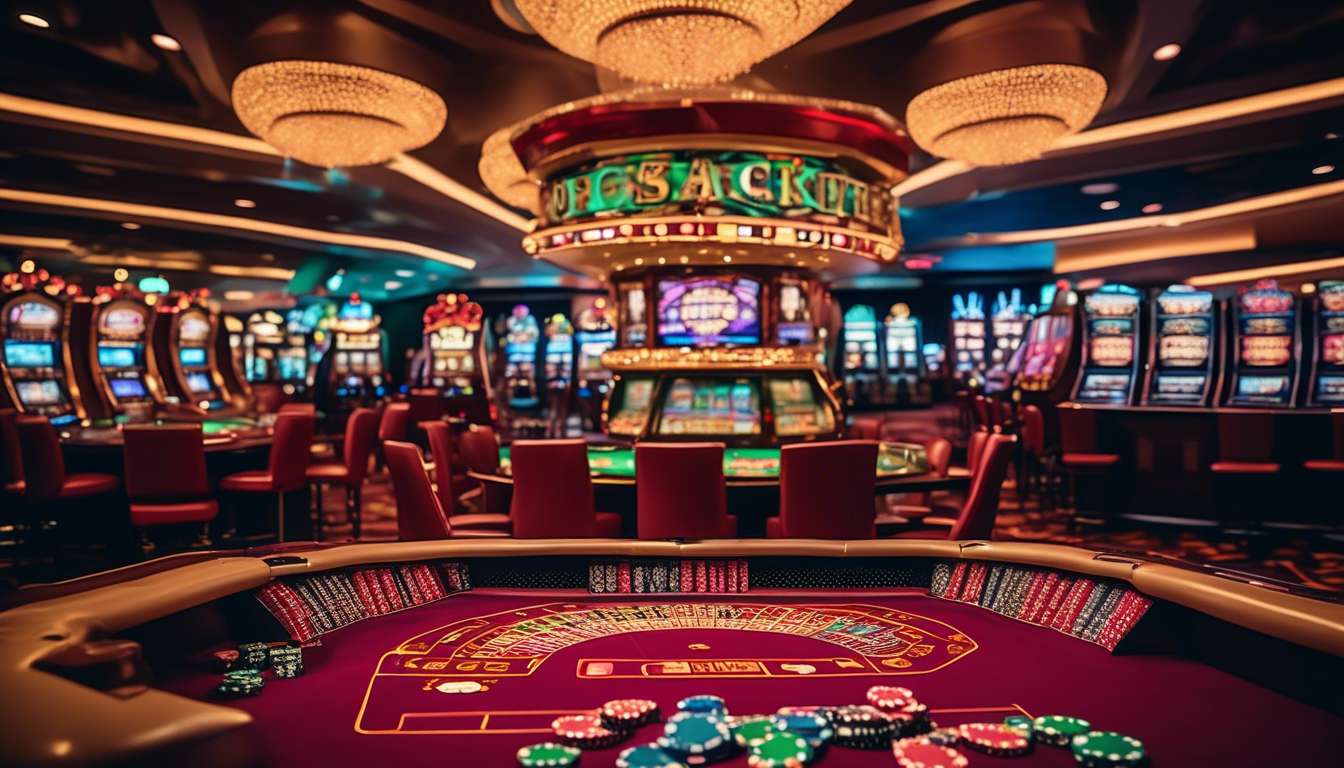
The 17th and 18th centuries marked the birth of casinos as we know them today. The first official casino, the Casino di Venezia, opened its doors in Italy in 1638, providing a dedicated space for gambling away from the chaos of taverns and streets. This shift not only offered a more refined experience but also attracted the upper class, solidifying gambling’s status as an elite pastime.
As gambling spread across Europe, different regions developed their own distinct styles and games. The French introduced roulette, while the British popularized games like baccarat. This period also saw the establishment of rigorous rules and regulations to protect players and ensure fair play, a tradition that continues in modern gaming establishments.
20th Century Transformations
The 20th century brought monumental changes to the gambling landscape, with the legalization of casinos in various parts of the world. In the United States, the Nevada Gaming Control Act of 1959 formally recognized and regulated casino operations, leading to the explosive growth of Las Vegas as a gambling destination. This era also saw the rise of online gambling, which revolutionized access to games of chance.
The advent of the internet in the late 1990s brought about a seismic shift, allowing players to engage in gambling from the comfort of their homes. Online platforms offered an array of games, attracting a new demographic and prompting traditional casinos to adopt digital technologies to remain competitive. The blending of technology and gambling has created an ever-evolving environment that continues to adapt to modern preferences.
Current Trends and Future Outlook
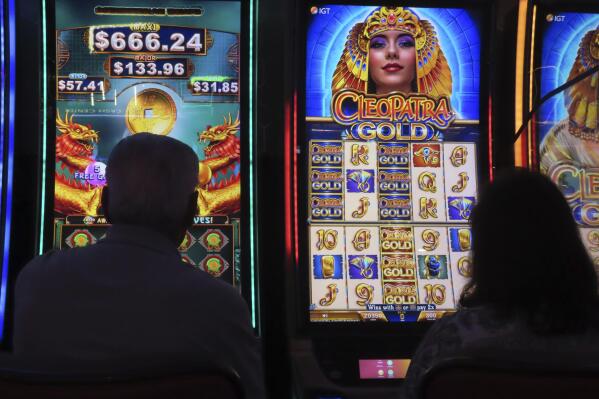
Today, gambling has transformed into a multifaceted industry, with a plethora of options ranging from traditional casinos to online platforms and mobile applications. The incorporation of artificial intelligence and virtual reality is paving the way for an immersive gambling experience, enhancing player engagement and enjoyment.
As we move forward, responsible gambling initiatives are becoming increasingly important. Regulatory bodies are implementing measures to ensure the protection of players, particularly in the digital space. The evolution of gambling is ongoing, driven by technological advancements and changing societal attitudes, making it an intriguing subject for study and exploration.
Conclusion
The journey of gambling from ancient rituals to modern casinos reflects humanity’s ongoing fascination with chance and fortune. It showcases how games of chance have intertwined with cultural, social, and technological advancements throughout history.
As this industry continues to evolve, understanding its historical context can provide valuable insights into current trends and future developments. Whether for entertainment or academic purposes, exploring the evolution of gambling offers a rich and engaging narrative that resonates with many aspects of human experience.