
The Allure of Casino Games
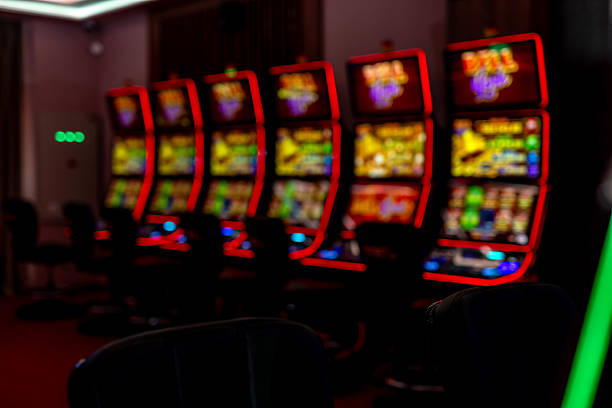
The excitement of a casino stems from its vibrant atmosphere, where lights flash and sounds of joy create an intoxicating environment. This sensory stimulation can trigger a sense of euphoria, activating the brain’s reward system. Players often find themselves drawn to this thrill, believing that winning is just a roll of the dice or a spin of the wheel away. For some, this journey may even lead to exploring uk casinos not on gamstop as a way to enhance their gaming experience. The allure is not just about luck but also about the experience of anticipation and the potential for significant rewards.
This psychological phenomenon is further amplified by the concept of near-misses. When players almost win, their brains react similarly to an actual win, causing them to continue playing in hopes of achieving that elusive victory. This cycle of excitement and anticipation encourages individuals to gamble more, often leading them to chase losses or engage in riskier bets, ultimately impacting their decision-making processes.
The Role of Cognitive Biases
Cognitive biases play a significant role in gambling behavior, influencing how players perceive their chances of winning. One common bias is the illusion of control, where individuals believe they can influence outcomes through skill or strategy, despite the random nature of most casino games. This belief can lead to overconfidence, resulting in larger bets and extended playtime.
Another prevalent bias is the gambler’s fallacy, where players think that past outcomes will influence future results. For example, a player might believe that a particular slot machine is “due” for a payout after a series of losses. Such misconceptions can cloud judgment, making it difficult for players to make rational decisions, often leading to bigger losses and increased frustration.
The Importance of Emotion in Gambling
Emotion is a powerful driver behind gambling decisions. Players often engage in games not just for the monetary rewards but for the emotional highs that accompany potential wins. Feelings of excitement, anxiety, and even desperation can affect betting behavior. This emotional rollercoaster can create a compelling urge to continue playing, where the rush of winning outweighs the rational assessment of risk.
Moreover, these emotional responses can result in a phenomenon known as “loss chasing,” where players increase their bets after a loss, hoping to recoup their losses quickly. This approach is often fueled by the fear of losing and the desire to maintain a positive self-image, reinforcing the cycle of gambling addiction and escalating financial repercussions.
The Influence of Social Dynamics
The social environment of a casino can significantly impact a player’s experience and decision-making process. The presence of others can amplify the excitement and competitiveness, as players share in the collective thrill of gambling. Social interactions often lead to a more engaging experience, where camaraderie and rivalry can both positively and negatively influence betting behavior.
Additionally, peer pressure can play a critical role in gambling. Individuals may feel compelled to bet larger amounts or engage in riskier games to fit in with their social group. This dynamic can cloud personal judgment, leading players to make decisions that do not align with their own comfort levels or financial situations, further intensifying the psychological grip of the casino.
Understanding and Addressing Gambling Behavior
Recognizing the psychological factors that drive gambling is essential for promoting responsible gaming. Awareness of the emotional and cognitive biases can help individuals make more informed decisions about their gambling habits. Casinos and gambling organizations increasingly provide resources and support for players to understand these influences, encouraging a balanced approach to gaming.
Moreover, resources and educational programs focused on responsible gambling can assist players in recognizing when their gaming habits are detrimental. By fostering a community that prioritizes awareness and support, players can create healthier gambling experiences that emphasize enjoyment rather than risk and potential loss.